


Anti Ageing Effects of Meditation

"We know from extensive research that meditation has direct effects on the body, helping to diminish inflammation and alter the functioning of important enzymes, including an enzyme called Telomerase, which affects the longevity of a cell." explains Lynn McTaggart in her latest groundbreaking book:
The Power of Eight

Why Supplements are Important
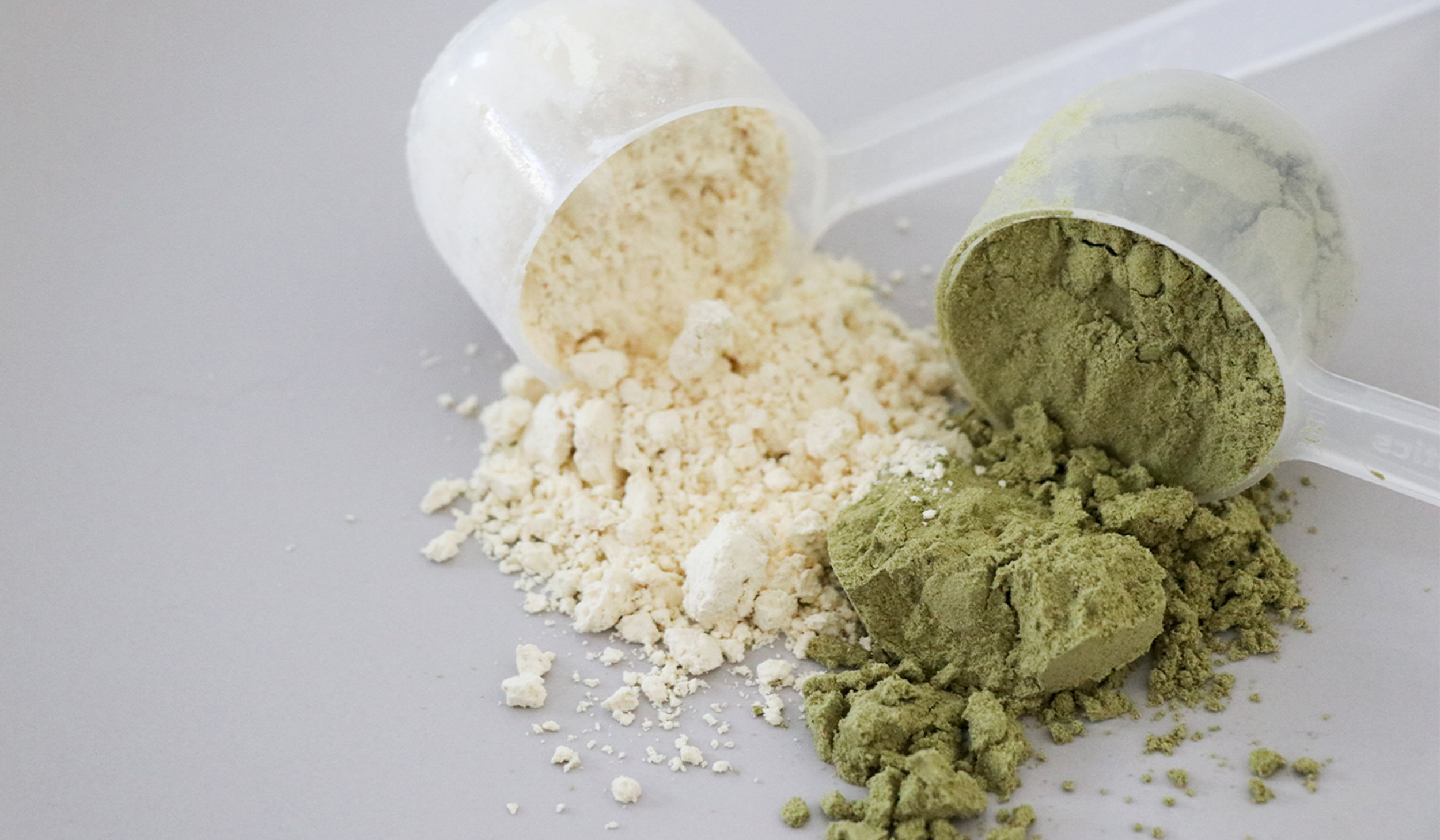
Dr Joe Kosterich explains how best to supplement your diet to support the immune system to help ward of change-of-season colds and allergies. Every year we tend to get around two to four colds [1], with symptoms and severity ranging from mild to severe. This year there have been more than twice the usual number of reported flu cases[2], and while we may be looking forward to the cooler months, a new season can bring about more sickness. Research shows that your chances of falling ill increases when the weather changes, as the two main viruses which typically cause the common cold - rhinoviruses and cornoaviruses - replicate in cool, but not too cold weather. [3]
While there is no replacement for a heathy, balanced diet, our busy and stressful lifestyles mean that only half of us eat enough fruit each day, and just seven per cent eat the recommended servings of veg. [4]
A supplement, or specific supplements, may help if your diet is inadequate, your lifestyle is affecting your overall health, and/or your practitioner has conducted tests and uncovered a deficiency of vitamins and minerals in your body.
To help you ward off the symptoms of cold and flu it may be worth taking specific supplements. Vitamin C has been shown to reduce duration and severity of cold symptoms. [5] Many of us are deficient in Vitamin D3 [6] so a daily supplement can help normalise your levels and lesson the likelihood of various illnesses. [7] Zinc has also been shown to reduce the duration of a cold. [8]
Your practitioner can assist in identifying which supplements you may need, based on your lifestyle and circumstances. References available on request.
Foods That Boost Brain Health

Our brain is arguably the most important organ in our body. It controls and coordinates actions and reactions; manages how we walk, talk and learn; is responsible for our feelings; regulates breathing, sleep and hormonal balance; and even determines the mates we choose. So eating well to support brain health is really no brainer! But which foods are most important to keep our grey matter happy and give us a boost of brain power?
Fruit and vegetables: Flavonoids found in brightly coloured fruit and vegetables are notably the best foods for protecting our brain from toxins and oxidative damage. Flavonoid-rich foods are found in high amounts in cocoa, and all berries. They help heal brain damage, promote memory and thinking processes and impact the way we learn. [1]
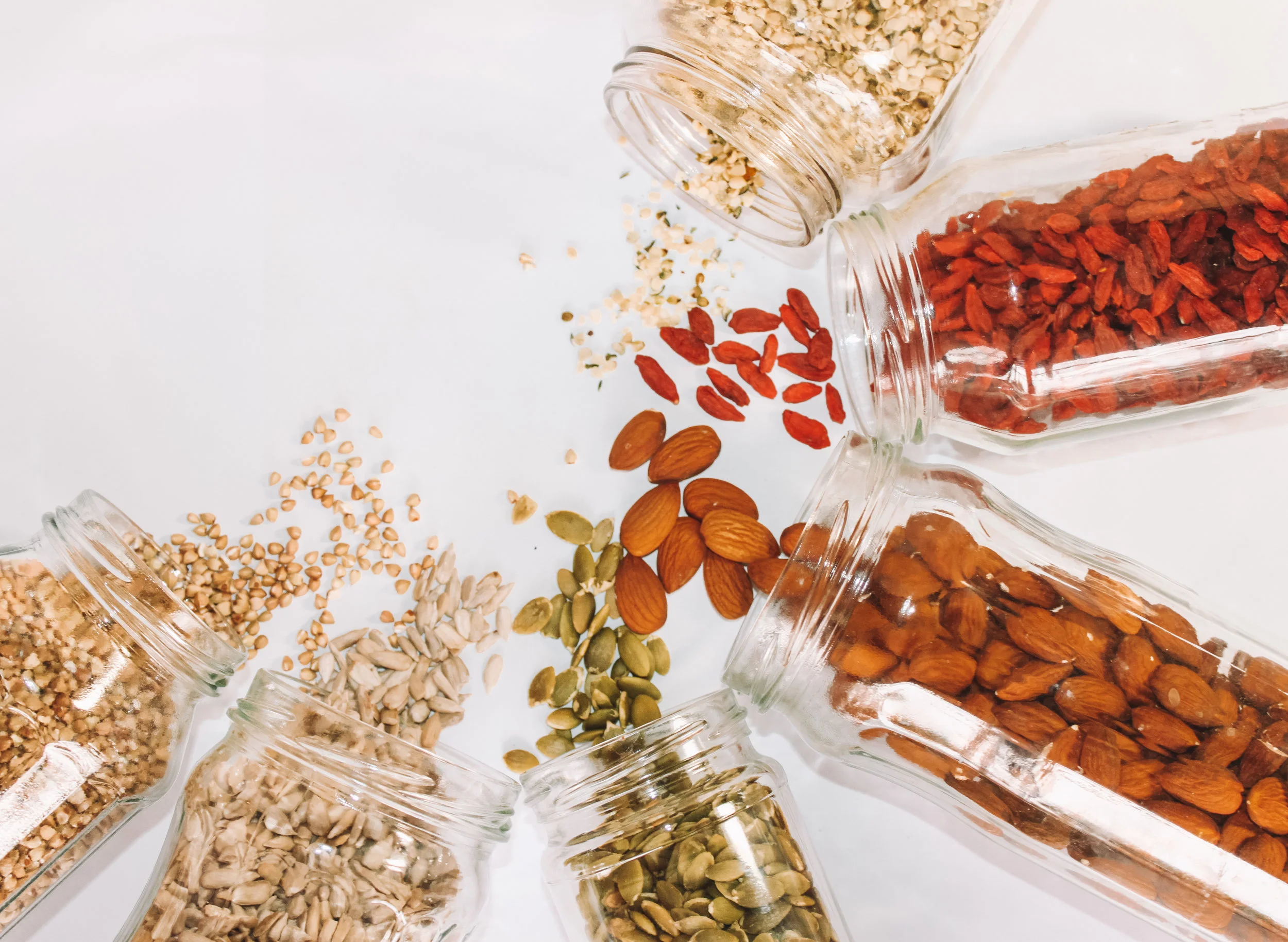
Unrefined, whole foods: Foods such as those found in the Mediterranean diet, fish, nuts and seeds, legumes, whole grains and small amounts of meat are very beneficial. [2] Fish, nuts and seeds contain varying amounts of omega-3's, which stabilise the way we think, making us calmer, and are vital for brain development. [3] Whole grains and mean contain vitamin E and B-vitamin groups, both of which help to stop the brain 'rusting', protecting brain cells from oxidative damage and preserving brain longevity.[4,5]
What other ways can we boost brain health naturally?
Physical exercise: it can actually help us grow new brain cells and protects against disease. [6]
Challenge your brain: learning a new language or participating in an educational course is like exercise for the brain - it keeps the brain supple and fast thinking. Couple this with the social aspect of interacting with others and you have a great way of boosting brainpower. [6]
Overnight 6pm - 6am or Intermittent fasting: we all love food but from an evolutionary stand point the brain works better and heals quicker in a fasted state. [6]